Phoenix Winter Windows: Why Fresh Air is Ruining Your Carpets (And How to Fix It)
Everyone in the Valley of the Sun waits for it. That specific week in late October or early November when the AC finally clicks off. You slide open the patio doors, letting that crisp, 70-degree air flush out the stale summer atmosphere. It feels amazing. It’s also a trap.
While the rest of the country is sealing their homes against blizzards, Phoenix homeowners are doing the exact opposite. We open everything up. But here is the hard truth: the Sonoran Desert doesn't stop being dusty just because the temperature dropped. By opening your home, you aren't just inviting a breeze; you are inviting the aftermath of every haboob and construction project from the last six months right into your fibers.
Winter in Arizona isn't about hibernation. It’s recovery time. Specifically for your floors.

The "Invisible" Dust Load: Why Vacuuming Fails
You might think your Dyson is doing the heavy lifting. It isn't. Standard vacuums are fantastic for surface debris—dog hair, dropped cereal, visible dirt. They are terrible at extracting the fine particulate matter that defines Phoenix soil. We aren't dealing with standard mud here; we are dealing with silica-heavy dust and microscopic clay particles.
According to the
Environmental Protection Agency (EPA), indoor air quality can be two to five times more polluted than outdoor air. In Phoenix, when those windows open, gravity does its job. That airborne dust settles deep into the pile of the carpet, past where suction can reach. Once it's down there, foot traffic acts like a grinder. Every step rubs that silica against the carpet fibers, slowly sawing them apart at the base. This is why carpets in Gilbert and Scottsdale tend to "ugly out" before they actually wear out.
You aren't just cleaning for aesthetics. You are cleaning to stop your flooring from destroying itself.
Health Implications: The Respiratory Exchange
Let’s talk about lungs. The American Lung Association has long noted that carpets act as a "sink" for pollutants. They trap allergens, which is actually good—until the sink overflows.
In a tight, AC-controlled environment (Phoenix summer), that dust stays somewhat static. But once you introduce the cross-breezes of our winter, you create turbulence. That deep-set dust gets kicked back up into the breathing zone. If you or your children suffer from seasonal allergies—which hit hard here in January due to Juniper and Ash pollination—your dirty carpet is likely the culprit keeping you congested.
This is where professional intervention moves from "luxury" to "maintenance necessity."
The Difference Between a "Home Cleaning Service" and Restoration
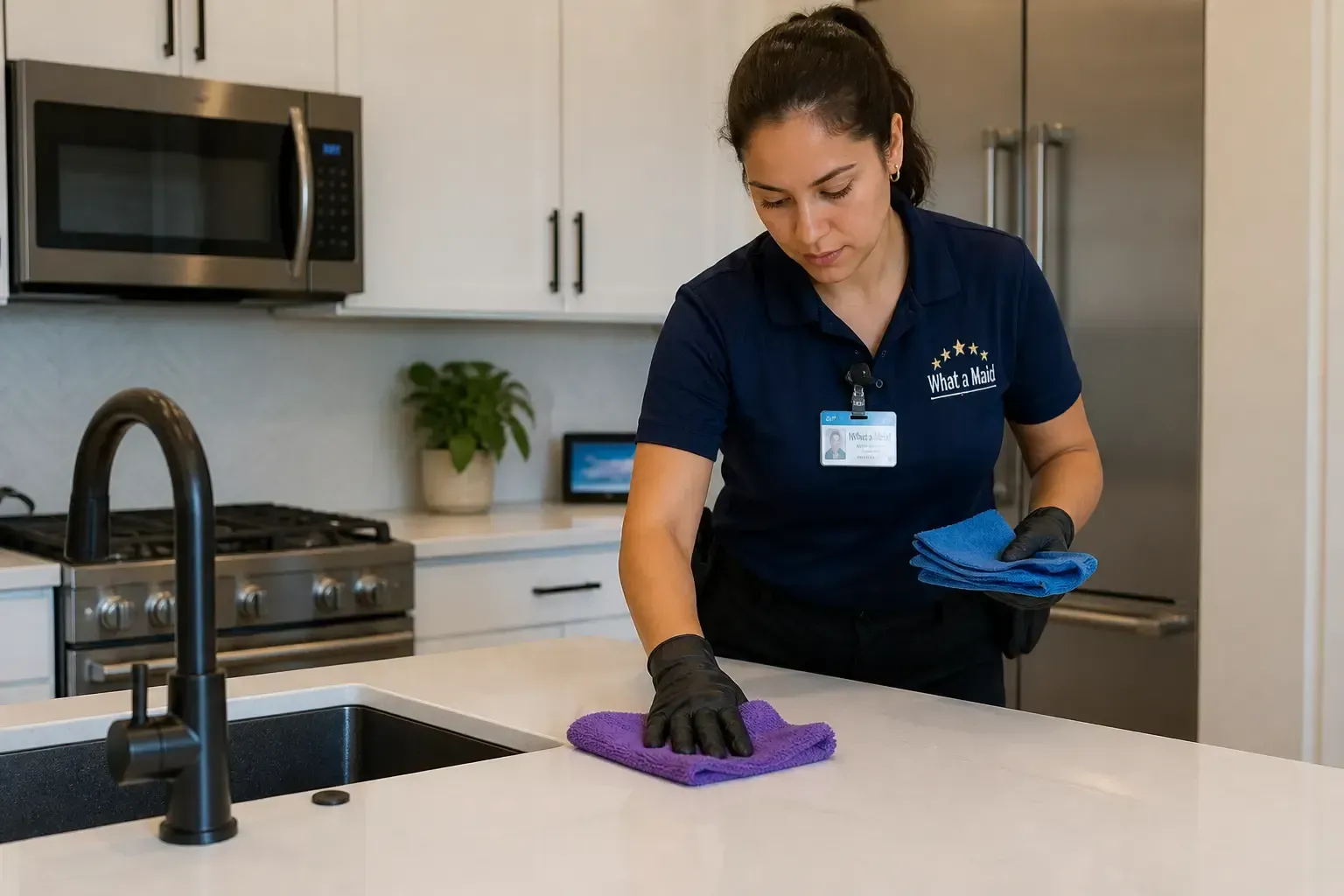
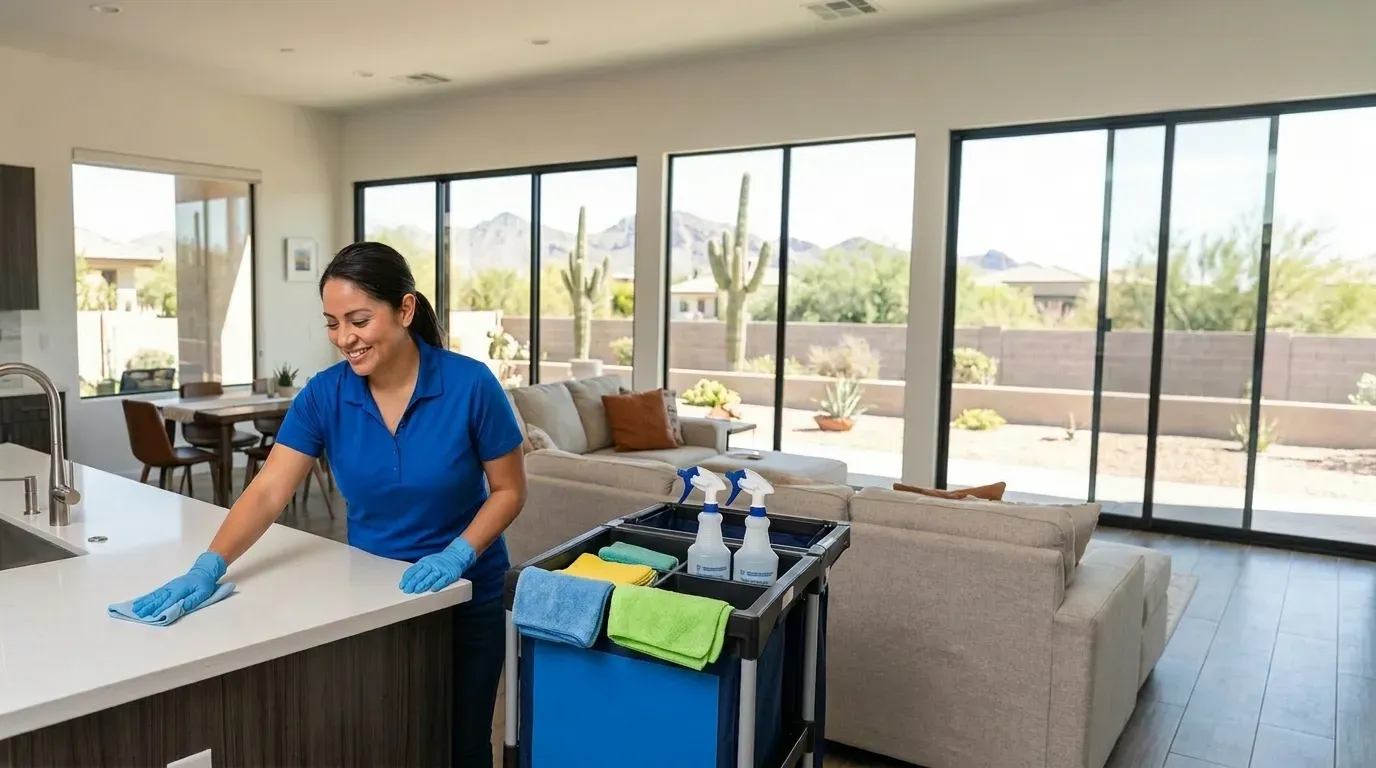
There is often confusion in the marketplace. A standard home cleaning service is essential for hygiene. They scrub toilets, wipe counters, and handle surface dust. WhatAMaid LLC excels at this, maintaining the visual sparkle of a home. However, carpet cleaning is a different beast entirely. It is not "cleaning" in the janitorial sense; it is textile restoration.
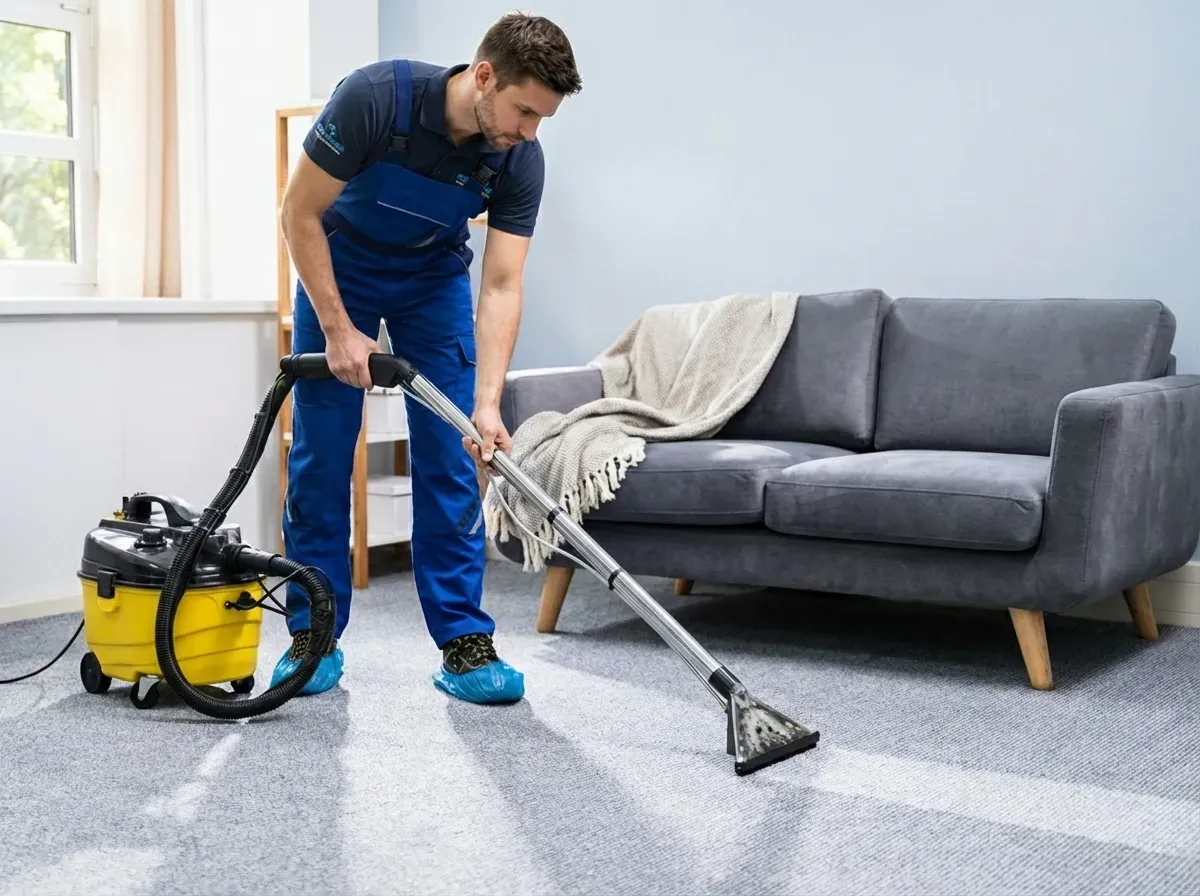
Many generalist cleaners will offer carpet cleaning as an add-on, often using "bonnet cleaning" (essentially buffing the carpet with a damp pad). Avoid this. It pushes dirt deeper. True restoration requires Hot Water Extraction (HWE), often called steam cleaning, though that's a misnomer.
The
Institute of Inspection Cleaning and Restoration Certification (IICRC) states that HWE is the primary method recommended by carpet manufacturers to maintain warranties. It shoots water heated to over 200 degrees into the fiber and immediately extracts it. This heat kills bacteria and dust mites instantly, while the high-powered vacuum removes the slurry.
WhatAMaid LLC understands this distinction. While we dominate the home cleaning service sector, we know that when it comes to carpets, you cannot rely on consumer-grade machines rented from a grocery store. Those machines lack the heating power to break the bond between the oil (from feet and cooking) and the fiber.
Dealing with Caliche and Red Clay
If you live near the mountains—think Ahwatukee, North Phoenix, or near Camelback—you know about the red dirt. That’s iron-oxidized clay. It stains aggressively.
Water alone won’t fix red clay. It requires specific alkaline pre-sprays to break the chemical bond the clay forms with synthetic carpet fibers. If you try to scrub this yourself with store-bought "oxy" cleaners, you will likely set the stain permanently. Professional technicians mix their chemistry based on the soil load. In Phoenix, that means accounting for high pH soil.
Don't gamble with DIY chemistry sets on a $5,000 carpet installation.
The Winter Strategy: A Fresh Start
So, why winter? Because drying times in Phoenix during December and January are manageable, and it aligns with the social calendar. You have hosted Thanksgiving. You have survived the Christmas chaos. Your floors have taken a beating from guests, food spills, and the influx of outdoor dust.
January and February offer a reset button. By extracting the accumulated grime of the holiday season, you prepare the home for the spring pollination season. Plus, cleaner carpets improve the overall efficiency of your HVAC system by reducing the amount of particulate matter the filter has to catch.
According to
Angi, high-traffic homes should target professional cleaning every 6 to 12 months. In the desert, err on the side of 6 months.
WhatAMaid LLC: The Local Authority
You have choices. The Valley is flooded with "splash and dash" operators who leave your carpets soaking wet for days, smelling like wet dog. That breeds mold. WhatAMaid LLC approaches the task differently. We view your flooring as an asset. Whether it is a routine home cleaning service or a deep textile extraction, the goal is longevity.
We know the local soil. We know the local pollen. We know that when you open your windows in January, you want to smell fresh air, not wet dust.
Frequently Asked Questions
How long does carpet take to dry in Phoenix winter?
Despite cooler temperatures, Phoenix humidity remains relatively low. With professional extraction that removes 95% of moisture, carpets typically dry in 4 to 8 hours. Using ceiling fans and keeping air circulating can reduce this time significantly compared to humid climates.
Does professional carpet cleaning remove all stains?
No ethical cleaner guarantees 100% stain removal. While hot water extraction removes dirt, oils, and organic spots, "stains" that have dyed the fiber (like red wine, bleach, or older pet urine) may be permanent. However, professional treatment significantly lightens or restores most areas.
Is carpet cleaning safe for pets and babies?
Yes, provided the company uses non-toxic, residue-free cleaning solutions. The primary danger comes from shampoo residues left behind by DIY machines. Professional extraction rinses fibers thoroughly, leaving a neutral pH surface that is safe for skin contact immediately after drying.