Cleaning Tips for Allergy Sufferers in Arizona
Arizona's desert allergens — pollen, dust, mold spores — are year-round problems. Here's how to clean your home to actually reduce your symptoms.
Cleaning Tips for Allergy Sufferers in Arizona
Arizona is one of the most challenging states in the country for allergy sufferers — and not just during spring. The Valley has multiple distinct allergy seasons: olive and mulberry pollen in spring, grass pollen in summer, ragweed in fall, and desert dust year-round. Add in monsoon-season mold spikes and the fine particulate matter that comes with living in a desert basin, and you have an environment that keeps immune systems working overtime.
The good news is that indoor air quality is something you can meaningfully control. Here's how to clean your home in a way that actually reduces allergen load — not just moves it around.
Understand What You're Cleaning For
Most cleaning removes visible dirt. Allergy-focused cleaning targets invisible particles: dust mite allergens, pet dander, pollen tracked in from outside, mold spores, and cockroach allergens (more common in Phoenix than most people realize). These particles are microscopic, lightweight, and easily become airborne during cleaning if you're not careful.
The goal is to remove allergens from surfaces and trap them — not stir them into the air where you'll breathe them in.
Vacuuming: The Most Important Tool
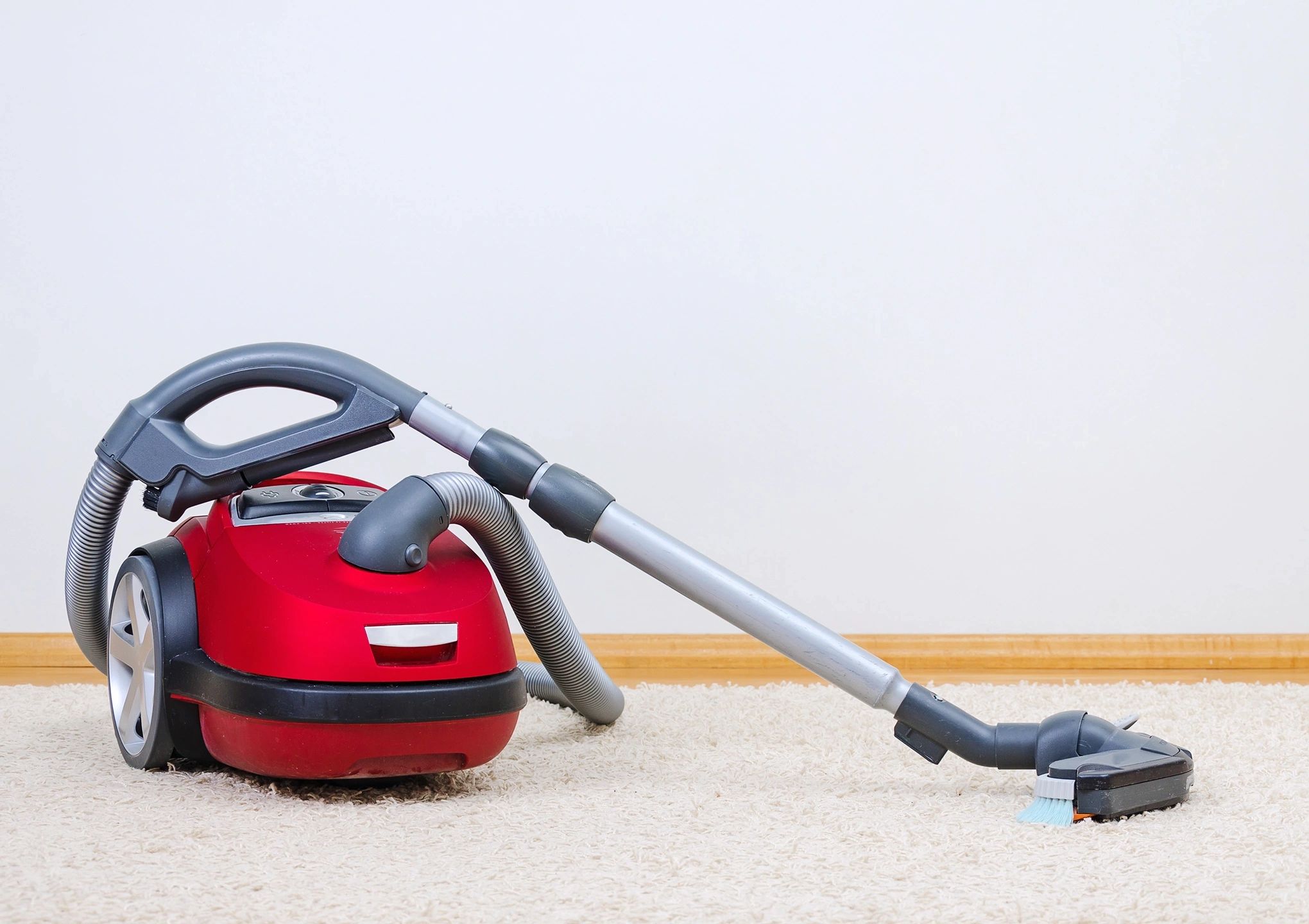
Vacuuming is the single highest-impact cleaning activity for allergy sufferers, but only if done correctly.
Use a HEPA-filter vacuum. Standard vacuums capture large particles but blow fine allergens — dust mite waste, pet dander, pollen — back into the air through the exhaust. A true HEPA filter captures 99.97% of particles down to 0.3 microns. This is non-negotiable for allergy sufferers.
Vacuum slowly. Moving the vacuum head slowly (about 1 foot per second) allows the suction to pull embedded particles out of carpet fibers. Fast passes mostly skim the surface.
Vacuum high-traffic areas twice a week. In Arizona, dust accumulates faster than in most climates. Bedrooms — where you spend 8 hours a night breathing — should be vacuumed at least twice weekly.
Vacuum upholstered furniture. Sofas and upholstered chairs harbor dust mites and pet dander at levels comparable to carpet. Use the upholstery attachment weekly.
Vacuum before dusting — not after. Vacuuming stirs up some particles; dusting after captures what settles.
Dusting: Trap, Don't Spread
Conventional feather dusters and dry cloths move dust from surfaces into the air, where it stays suspended for hours. For allergy sufferers, this is counterproductive.
Use microfiber cloths, dampened slightly. Microfiber electrostatically attracts and traps particles rather than pushing them around. A slightly damp cloth captures even more. Fold the cloth into quarters and refold to a clean section frequently so you're not redistributing what you've already collected.
Dust from top to bottom. Ceiling fans, light fixtures, and shelves first — then lower surfaces, then floors. Particles that fall during dusting get captured when you vacuum last.
Don't forget these high-allergen spots:
- Ceiling fan blades (major allergen redistributors when the fan runs)
- Baseboards and window sills (dust accumulates heavily here in Arizona)
- Window tracks (pollen and dust collect in the grooves)
- Blinds (each slat is a dust shelf — wipe with a damp microfiber cloth)
- The top of the refrigerator and kitchen cabinets
- Lamp shades and light fixtures
Bedrooms: Your Highest Priority
You spend roughly a third of your life in your bedroom. Dust mites — the most common indoor allergen trigger — thrive in mattresses, pillows, and bedding. In Arizona's dry climate, dust mite populations are lower than in humid states, but they're still present wherever humans sleep.
Wash bedding weekly in hot water (130°F+). This temperature kills dust mites. Use fragrance-free detergent — synthetic fragrances are a common allergy trigger.
Use allergen-proof mattress and pillow covers. These zippered encasements create a barrier between you and the allergens embedded in your mattress and pillows. They're one of the most evidence-backed interventions for dust mite allergy.
Keep bedroom windows closed during high-pollen periods. In Phoenix, this means spring (olive, mulberry) and fall (ragweed). Use the AC instead — it filters air as it circulates.
Remove carpet from the bedroom if possible. Hard flooring (tile, hardwood, LVP) harbors dramatically fewer allergens than carpet. If carpet removal isn't feasible, vacuum twice weekly and consider a HEPA air purifier.
Bathrooms: Mold Prevention
Mold spores are a significant allergen trigger, and Arizona bathrooms — especially during monsoon season (July–September) — are prime mold environments. Humidity spikes from 10% to 50%+ during monsoon, and bathrooms that were fine all year can develop mold problems quickly.
Run the exhaust fan during and for 20 minutes after every shower. This is the single most effective mold prevention measure.
Wipe down shower walls after use. A squeegee takes 30 seconds and removes the moisture that mold needs to grow.
Check caulk lines monthly. Black mold on caulk is common and releases spores into the air. Clean with a diluted bleach solution (1 tablespoon bleach per cup of water) or replace the caulk if it's deeply infiltrated.
Clean the exhaust fan itself. A clogged fan doesn't move air effectively. Remove the cover and vacuum the fan blades every 3 months.
HVAC: Your Home's Allergen Distribution System
Your HVAC system circulates air throughout your entire home — which means it also circulates allergens if not maintained properly.
Change filters every 30–60 days in Phoenix. The standard recommendation is every 90 days, but Arizona's dust load means filters clog faster. Use MERV 11–13 filters, which capture pollen, dust mite allergens, and mold spores. MERV 8 (the most common) misses a significant portion of fine allergens.
Have ducts professionally cleaned every 3–5 years. Dust, mold, and debris accumulate in ductwork and get redistributed every time the system runs. This is especially important in older Phoenix homes.
Keep the area around vents clean. Dust the vent covers monthly and vacuum around floor vents where debris accumulates.
Cleaning Products: Avoid Fragrance
Many conventional cleaning products contain synthetic fragrances that are significant allergy and asthma triggers. "Fresh scent" and "clean smell" are marketing terms — the chemicals producing those scents are often volatile organic compounds (VOCs) that irritate airways.
For allergy sufferers, use:
- Fragrance-free or unscented versions of all cleaning products
- Hydrogen peroxide instead of bleach-based disinfectants (less respiratory irritation)
- Microfiber cloths instead of paper towels (less lint, more effective particle capture)
- Avoid aerosol sprays — they create fine mist that stays airborne; use pump sprays instead
When to Clean (Timing Matters)
Clean when the allergy sufferer is out of the home. Cleaning stirs up allergens even when done carefully. If possible, have the allergy sufferer leave for 2–3 hours after cleaning to allow particles to settle and be captured by air filters.
Clean in the morning. Pollen counts are highest in the morning in Phoenix — keep windows closed and clean before going outside to avoid tracking pollen in.
After monsoon storms: Wipe down all surfaces that may have collected dust from haboobs (dust storms). Change HVAC filters after major dust events.
Professional Cleaning for Allergy Sufferers
A professional deep clean 2–4 times per year can significantly reduce the baseline allergen load in your home — especially in areas that regular cleaning doesn't reach: inside appliances, behind furniture, deep in carpet fibers, and in grout lines where mold can hide.
WhatAMaid LLC uses HEPA-equipped vacuums and fragrance-free, non-toxic cleaning products on all jobs across Phoenix, Scottsdale, Tempe, Mesa, Chandler, and Maricopa County. Our deep cleaning service is designed to reduce allergen load throughout your home — including carpet, upholstery, grout, and HVAC vents. We also offer recurring cleaning plans to maintain clean air quality year-round. Book online or visit our FAQ for more information.
Related reading:
- Best eco-friendly cleaning products for Phoenix homes — fragrance-free, hard-water-safe green cleaners that won't trigger allergies
- How often should you deep clean your Arizona home? — frequency guide for allergy-prone households
- Post-monsoon cleaning guide for Phoenix homes — tackling the allergen spike after haboobs and dust storms
Explore Topics
Written by
WhatAMaid LLC
Content creator and writer sharing insights and stories.